Social Media Marketing TL;DR
- Social media marketing, combining organic posts and paid ads, is a powerful tool for connecting with your target audience and building your brand.
- The internet, particularly platforms like Google Business Listing and Facebook, has become the primary source of information about businesses, replacing traditional methods like phone books.
- Authenticity and credibility are more effective than traditional salesmanship in social media marketing, with audiences seeking genuine, on-brand posts and interactions.
- Successful social media marketing strategies include setting clear goals, choosing appropriate platforms, understanding platform culture, tailoring content, maintaining brand consistency, posting quality content regularly, and engaging with followers.
- Social media platforms like Facebook, Instagram, TikTok, LinkedIn, and YouTube each have unique features and cultures that can be leveraged for effective marketing.
- Frequently Asked Questions

Social media marketing is a strategy of leveraging both organic posts and paid ads on social media platforms to connect with your target audience and build your brand. While some may mistakenly view it as an excuse to play games and scroll videos, the reality is that it is as one of the most dynamic and powerful forms of marketing today. Far from being a mere pastime, it has evolved into a dynamic and influential marketing strategy.
Unlike traditional marketing methods, social media marketing offers real-time, direct interaction with your target audience. This gives you immediate feedback and invaluable insight into what your customers are thinking. It also makes it possible to build your brand and a competitive advantage.
But can social media truly boost your company’s sales? If so, how does social media marketing work?
The Imperative of a Digital Footprint
When was the last time you referenced a phone book? Do you even own one? You’re not alone if you can’t recall. While phone books were once handy, their limitations became evident: they were static, incomplete, sometimes involved costs, and were typically accessed at home.
The internet, however, is constantly updated and accessible directly from your fingertips. Platforms like Google Business Listing and Facebook have become the go-to sources for information about a business’s location, operating hours, services, pricing, and customer reviews.
According to Pew Research Center, In 2021 72% of American adults use at least one social media site, with women more active each month than men. Millions of businesses globally have Facebook Pages and Google Business Listings and some are using services like Tik Tok and YouTube Shorts.
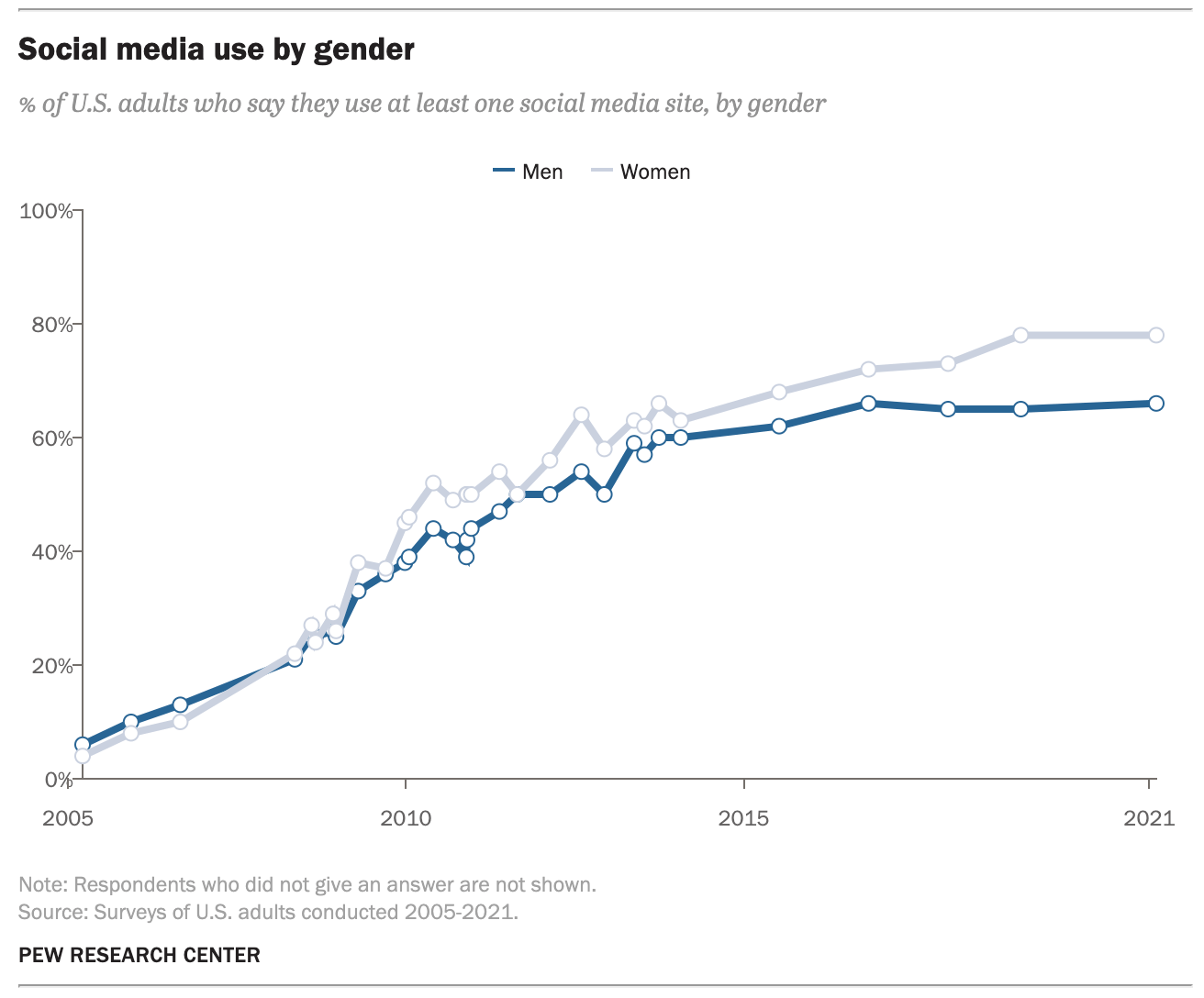
Moreover, many customers view social media platforms as customer service portals. As Sprout Social highlights, “Nearly 40% of customers use social to voice complaints or concerns.” Companies that promptly and effectively address customer concerns can create excellent word-of-mouth marketing.
Authenticity And Credibility Over Salesmanship
Today’s audiences, having been exposed to traditional advertising throughout their lives, are not easily swayed by flashy sales pitches or gimmicky promotions. They’re savvy and not easily led by slick sales pitches or gimmicky promotions. In fact, one of the important traits audiences want from companies today is authenticity. Authentic, on-brand social media posts give audiences a sense that a company is an organization of people rather than a faceless corporate megalith. When companies demonstrate that they share their customers’ values and conduct themselves in ethical ways, audiences respond by engaging with the brand.
Social media significantly influence consumer purchasing behavior, influencing their decisions to purchase products and services.
Social media is also a great way to show potential customers that you can deliver the goods or services they want. A strong social media profile that demonstrates deep knowledge of your business and awareness of important industry trends does a lot to build potential customers’ confidence in your ability. Further, by encouraging existing customers to leave reviews for your business on social media, you can show potential customers your dedication to customer satisfaction, quality workmanship, or whatever you value instead of simply telling them the same things they hear from every other company.
Strategies for Social Media Marketing Success
Clearly, social media marketing is an important component of a digital marketing scheme. Navigating the world of social media marketing can seem daunting, especially if you’re new to it.
Here are some strategies to transform your social media efforts into success:
- Set clear goals and track them. Don’t simply set up a marketing page and wait for it to work. Think about what you actually want out of this marketing. Do you want to increase brand recognition? Do you want to increase traffic to your website? Are you most interested in increasing online sales? in-store visits? Once you have your goals, figure out what metrics you need to track and track them carefully. Likely, you’ll find you need to adjust your strategy here and there before you find what works for you.
- Choose one or two platforms to start with. There are so many social media platforms available today that you might be tempted to set up accounts on all of them. However, social media can be time-consuming, especially if you’re new to it, so a better approach is to start with one or two platforms. Choose platforms that make sense for the kind of business you do and the audience you are trying to reach.
- Take time to learn the culture of your platform. The internet has a culture, complete with rules for how to behave toward and engage with other users. Follow some businesses you know and see how they interact with customers. The goal is not for your posts to be exactly like everyone else’s, but they should indicate that you know how to play the game.
- Tailor your content to the platform as well as your audience. Certain kinds of content do better on certain kinds of social media sites. Instagram and Pinterest are very visual, for instance, so they’re not the best platform to share large chunks of text. But Facebook and Tumblr, which both are built for more text, are great places to share a snippet of your new blog post or an announcement about an important achievement or policy change. Similarly, tailor your language to your audience. If your audience is business people, then the kind of informal language you’d use with teens might come off as childish or cavalier.
- Be consistent with your brand and authentic with your values. Good marketing relies on a solid brand identity, which is often built around core values or a central mission. Before you begin your social media marketing, you may find it helpful to create a brand style guide that can guide your posts to remain on-brand. It’s important to avoid posting content that conflicts with your brand identity because doing so will make you seem hypocritical, inauthentic, and pandering. People want to know what a business really stands for. They want to see that that business shares their values. But if you make them feel you are simply following the crowd, your efforts may backfire.
- Post quality content on a regular schedule. In most cases, posting content that is engaging and meaningful to your customers is more important than posting often. However, there should be a balance. If you don’t post often enough, your content will not be prioritized by the social media platform. So start with a manageable goal. Maybe post once or twice a week to begin, but try to post at the same time on the same day. Make those posts really interesting, and make sure to return to the post to read and respond to comments.
- Finally, engage with your followers and encourage their engagement. Social media users get a thrill when they receive a like or a comment back from you. It makes them feel like you actually care about your customers. Even angry commenters will often soften if you address them respectfully and make them feel heard. While it is important to address negative comments with honesty (and it’s ok to point out ways that you have tried to resolve any problems the commenter may have made), always be the bigger person. Another approach that makes users feel heard is asking them to comment or post on your page in ways that encourage conversation. For instance, a dog grooming business might ask its followers to share their fanciest pet pictures, or a pizzeria might post a poll asking users to vote on their favorite toppings.
Social Media Network Recommendations
- Use Facebook’s targeting features: Facebook’s ad platform has powerful targeting capabilities that allow you to reach a specific audience based on demographics, interests, behaviors, and more.
- Engage with your audience: Respond to comments on your posts and messages to your page promptly. This interaction can help build a strong relationship with your audience.
- Use Facebook Insights: This tool can provide valuable information about your audience and how they interact with your content, helping you to refine your strategy.
- Leverage Instagram Stories: Stories are a great way to share behind-the-scenes content, promote special offers, or just engage with your audience in a more casual and immediate way.
- Use relevant hashtags: Hashtags can help increase the visibility of your posts. Research and use relevant hashtags to reach a wider audience.
- Collaborate with influencers: Partnering with influencers who align with your brand can help you reach a larger audience.
TikTok
- Create engaging, fun content: TikTok is all about fun, creative, and engaging content. Don’t be afraid to show a lighter, more entertaining side of your brand.
- Participate in trends: Engage with the TikTok community by participating in trending challenges or using trending songs.
- Use TikTok Ads: TikTok’s ad platform can help you reach a younger, highly engaged audience.
- Share industry news and insights: LinkedIn is a professional network, so content that is relevant to your industry or offers professional insights tends to perform well.
- Participate in LinkedIn Groups: Joining and participating in LinkedIn Groups can help you connect with professionals in your field and increase your brand visibility.
- Use LinkedIn’s ad platform: LinkedIn’s ad platform allows you to target professionals based on their industry, job title, and more.
YouTube
- Create high-quality videos: The quality of your videos can greatly impact your success on YouTube. Invest in good equipment and editing software to create high-quality content.
- Optimize your videos for SEO: Use relevant keywords in your video titles, descriptions, and tags to help your videos appear in search results.
- Engage with your audience: Respond to comments on your videos, ask for feedback, and encourage viewers to like, share, and subscribe.
Remember, the key to successful social media marketing is understanding your audience and how they interact with each platform. Tailor your strategy to each platform to effectively engage with your audience and achieve your marketing goals.
FAQ
What is social media marketing?
Social media marketing is when you use websites like Facebook or Instagram to tell people about your business. It’s like showing a commercial on TV or putting up a billboard, but online!
Why is it important for my business to be on the internet?
Being on the internet helps people find your business easily. It’s like having your business in a phone book, but better! People can learn about your services, prices, and operating hours anytime they want.
What does it mean to be authentic on social media?
Being authentic means being real and honest. It’s like showing people that your business is run by real people, not robots. You share your values and show you care about the same things your customers do.
What are some strategies for successful social media marketing?
Some strategies include setting clear goals, choosing the right social media sites for your business, learning how to behave on those sites, making sure your posts match your business’s style, posting interesting things regularly, and talking to your followers.
How can I use different social media platforms for my business?
Each social media site is a little different. For example, Instagram is great for sharing pictures, LinkedIn is good for professional news and insights, and YouTube is perfect for sharing videos. You can choose the ones that work best for your business and your customers.
Conclusion
Wading into the world of social media marketing doesn’t have to be scary. With a little know-how, you can engage your customers in smart, effective ways and enjoy building your own cult following.